
Illinois Requires Unpaid Leave for Parents of NICU Babies
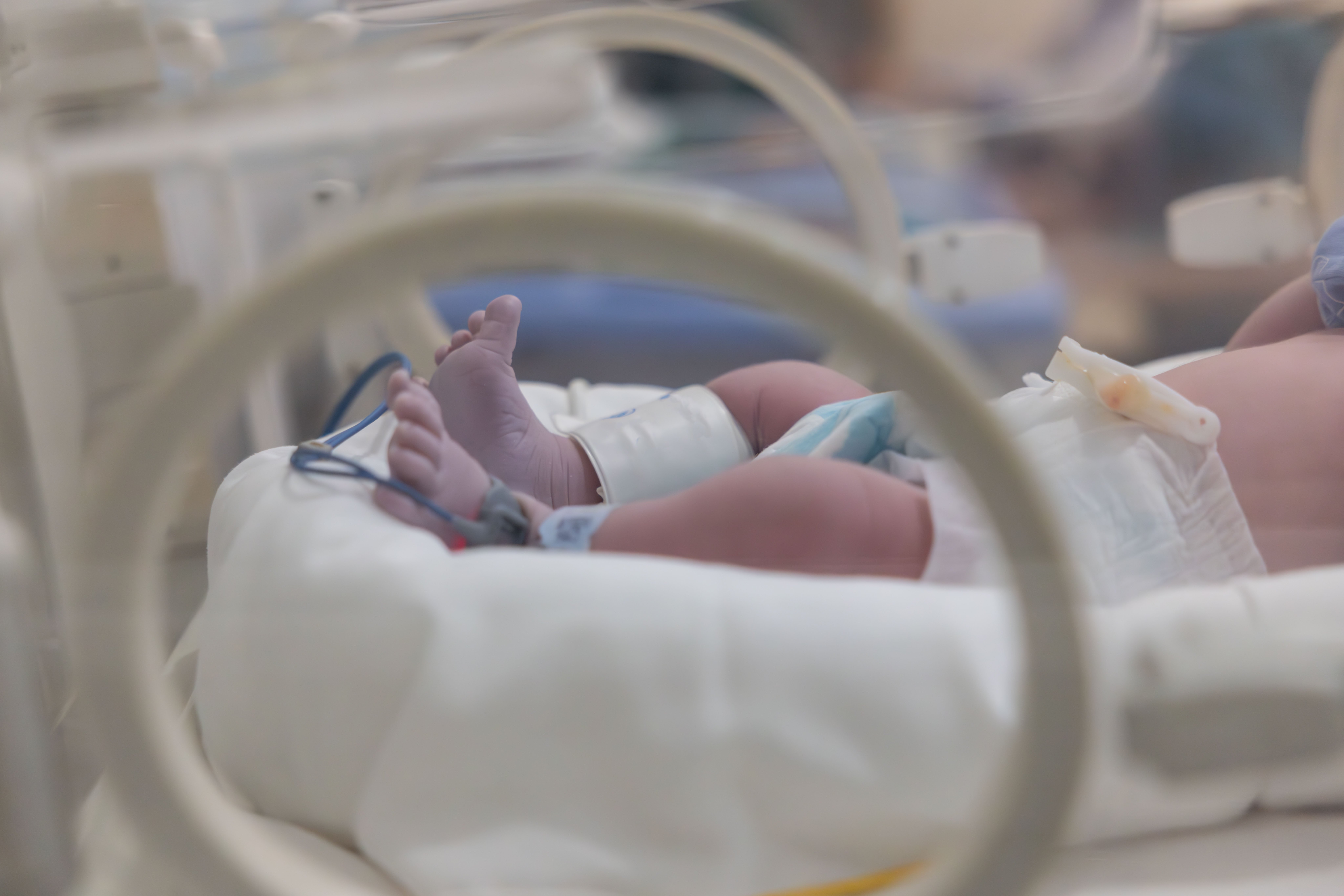
Starting June 1, 2026, Illinois employers will need to navigate a new leave requirement under the Family Neonatal Intensive Care Leave Act. This law requires certain employers to provide unpaid leave to employees whose child is receiving care in a neonatal intensive care unit (NICU).
At a high level, the law reflects a growing focus on supporting employees during critical and often unexpected life events. At the same time, it introduces additional compliance responsibilities that employers will need to manage carefully.
Who This Applies To
The law applies to Illinois employers with 16 or more employees.
Leave requirements vary based on employer size:
- Employers with 16 to 50 employees must provide up to 10 days of unpaid leave
- Employers with 51 or more employees must provide up to 20 days of unpaid leave
If your organization falls within this range, it is important to review your current leave policies and ensure they align with these requirements.
How the Leave Works
NICU leave is available while an employee’s child is receiving care in a neonatal intensive care unit.
A few key points to understand:
- Leave can be taken either continuously or intermittently
- Employers may require leave to be used in increments of at least two hours
This structure gives employees flexibility to manage their time based on their child’s care needs, while still allowing employers to maintain some consistency in scheduling.
Interaction with Other Leave
This law does not replace existing leave programs. Instead, it works alongside them and should be coordinated carefully.
- Employees must exhaust available FMLA leave before using NICU leave
- NICU leave is provided in addition to FMLA, not as a substitute
- Employees may also use other available paid or unpaid leave under employer policies or applicable laws
For many employers, this coordination will be one of the more complex parts of administering the new requirement.
Penalties for Non-Compliance
As with most leave laws, there are real consequences if the requirements are not followed.
Employers that fail to comply may face:
- Administrative action
- Civil penalties
- Private lawsuits
In addition, the law includes job protection, benefits continuation, and anti-retaliation provisions, which increase the risk if leave is not handled correctly.
What Employers Need to Be Doing
With the effective date in place, now is the time for employers to take a proactive approach.
A few practical steps to consider:
- Review and update leave policies to reflect NICU leave requirements
- Train HR teams and managers on how this leave interacts with FMLA
- Put clear processes in place for tracking and administering leave
- Confirm that health insurance benefits will be maintained during leave
- Establish documentation practices that stay within privacy guidelines
Taking these steps now can help reduce confusion, avoid compliance issues, and ensure employees are supported during a difficult time.
Final Takeaways
This law is part of a broader trend toward more specialized leave protections. While it adds another layer of complexity for employers, it also provides meaningful support for employees when they need it most.
For employers with 16 or more employees, this is a good opportunity to stay ahead of compliance requirements and make sure policies, procedures, and internal practices are aligned moving forward.