
Are Ice Dams Covered by Insurance?
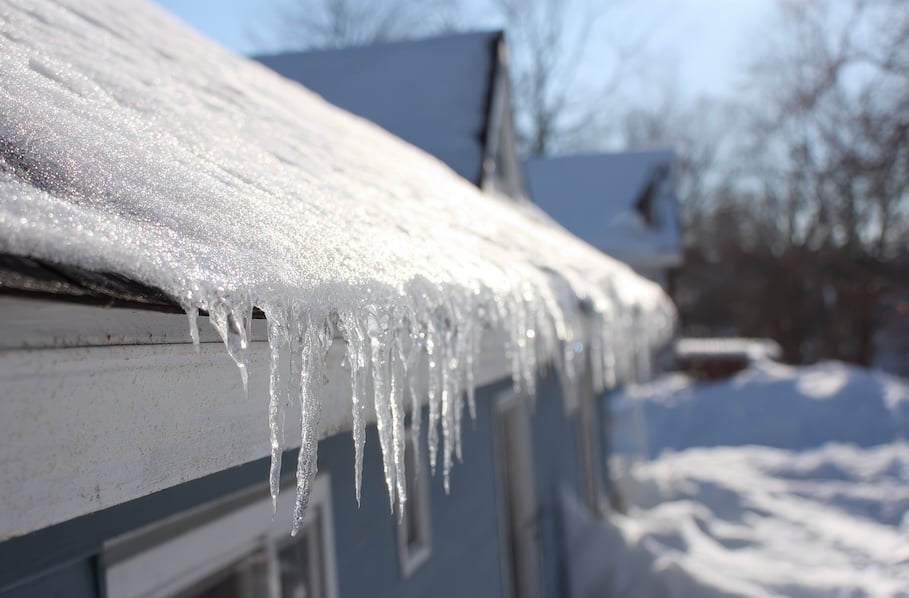
Winter is here, and with it comes one of the season’s biggest headaches for homeowners: ice dams. These ridges of ice form when warm air inside your home melts the snow on your roof, only for that melted snow to refreeze at the edges. Once that happens, the water behind the ice has nowhere to go. Eventually, it works its way under shingles and into your home, causing stains, leaks, warped materials, and costly frustration.
It’s a common winter issue in the Midwest, but the question we hear most often is simple: Does homeowners insurance cover this? In many cases, yes.
What Your Policy Typically Covers
Most standard homeowners policies cover the damage caused by an ice dam, not necessarily the ice dam itself. That means if water backs up under your shingles and damages your ceilings, drywall, insulation, or flooring, your carrier will usually step in. Coverage often includes:
-
Interior water damage caused by the backup
-
Repairs to walls, ceilings, and insulation
-
Drying or mitigation work completed by a contractor
-
Necessary ice-dam removal if it prevents additional damage
This type of loss is generally considered sudden and accidental, which is exactly what homeowners insurance is designed to protect against.
What’s Usually Not Covered
Preventative work almost never falls under homeowners insurance. For example, policies typically won’t cover:
-
Routine snow or ice removal from the roof
-
Heating cables, roof upgrades, or other preventive measures
-
Damage tied to poor maintenance, such as clogged gutters or worn-out shingles
-
Gradual leaks or issues that developed slowly over time
This is where upkeep matters. Insurance responds to the unexpected, not items that fall into ongoing maintenance or previously known issues.
Common Warning Signs to Watch For
Ice dams don’t always announce themselves with obvious leaks. Keep an eye out for:
-
Water stains on ceilings or upper walls
-
Peeling paint or bubbling drywall
-
Persistent icicles forming in the same spot
-
Uneven melting patterns on the roof
-
Damp insulation or musty odors in the attic
Catching these red flags early can make a meaningful difference in the scope of damage and the repair timeline.
How to Stay Ahead This Winter
While you can’t control the weather, you can lower the risk of heavy ice buildup by taking a few simple steps:
-
Clear gutters and downspouts before major snowfall
-
Use a roof rake to safely remove fresh snow from the edges of the roof
-
Improve attic insulation to keep warm air from escaping
-
Ensure proper attic ventilation
-
Address small roof issues before winter storms roll in
These preventative measures help protect your home and make it less likely that ice dams will form in the first place.
When to Reach Out
If you spot water intrusion or think an ice dam may be forming, document what you’re seeing and reach out to your DSP advisor. We’ll help you understand how your policy responds, guide you through next steps, and coordinate the right resources if a claim makes sense.