
A Small Leak Can Become a Big Problem: Simple Water Defense Tips for Your Home
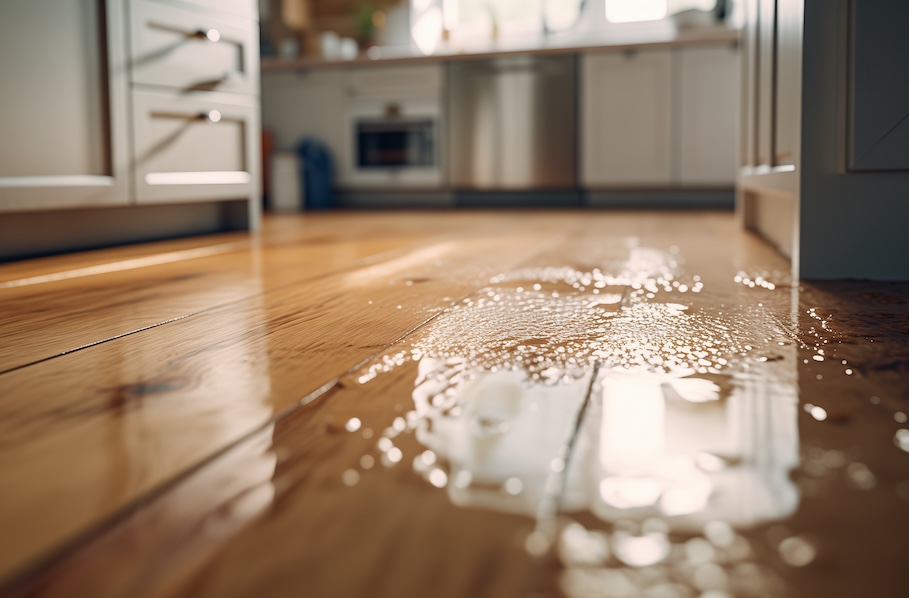
Water damage is one of the most common and costly insurance claims homeowners experience. In fact, it is estimated that nearly one trillion gallons of water are lost each year in the United States due to common household leaks. Many of these losses begin with small issues that go unnoticed until damage has already occurred.
One appliance that deserves a little extra attention is the refrigerator. Water supply lines, filters, and seals can all contribute to leaks or inefficiencies if they are not inspected regularly. A quick annual check is a simple way to prevent water damage at home and keep your appliance running efficiently.
Check the Refrigerator Water Supply Line annually
Refrigerators with ice makers or water dispensers rely on a small water supply line that runs behind the appliance. Over time, these lines can develop cracks, loose connections, or ice blockages that lead to leaks.
Before inspecting the line, start by unplugging the refrigerator to avoid electrical shock. Once the power is disconnected, locate the water shutoff valve. Depending on the home, this valve may be in the basement, behind the refrigerator, or under a nearby sink.
Next, carefully pull the refrigerator away from the wall to access the supply line. Look closely for any signs of damage such as tears, kinks, or worn tubing. If the line appears intact but water flow has stopped, the tube may be clogged with ice.
In some cases, placing the line in warm water can help melt a blockage. If the clog persists, disconnecting the line may be necessary to clear it completely. If you are unsure about the repair, a refrigerator service professional can help ensure the appliance is functioning properly.
Another important tip is to watch for early warning signs. If you notice small pools of water on the floor near the refrigerator or the water dispenser suddenly stops working, inspect the supply line immediately.
Be Prepared When Replacing the Water Filter
Many modern refrigerators have filters that automatically shut off the water supply when removed. While this feature is common, it is still a good idea to review your refrigerator manual before replacing a filter for the first time.
Having towels, a small bucket, and knowing how to shut off the home’s main water valve can help prevent a surprise mess during the replacement. Small preparation steps like this can help prevent water damage at home.
Clean the Refrigerator Condenser
While checking the refrigerator, it is also a good opportunity to clean the condenser coils. Dust buildup can make the appliance work harder and reduce its efficiency.
Start by turning off the circuit breaker and unplugging the refrigerator. Carefully move the appliance away from the wall and remove the rear access panel, which is usually made of cardboard or sheet metal.
Use a coil brush to remove dust from the condenser coils, then vacuum the area using a crevice attachment. Wipe the fan with a soft cloth and clean the drain pan that collects water during the defrost cycle.
Once everything is clean, reinstall the panel, move the refrigerator back into place, plug it in, and restore power. Remember to confirm that the refrigerator is running so your food remains properly chilled.
Inspect and Clean Refigerator Door Seals
Refrigerator door seals, also called gaskets, are another small component that can lead to bigger problems if neglected. These seals keep cold air inside the appliance and prevent warm air from entering.
Over time, moisture and temperature differences can cause mold, mildew, and deterioration in the seals. Damaged seals allow cold air to escape, forcing the compressor to work harder and increasing energy costs.
A quick way to test the seal is with a dollar bill. Close the refrigerator door on the bill and try pulling it out. If it slides out easily, the seal may not be tight enough.
You can also run your hand along the edges of the closed door to feel for escaping cold air. If the seal is loose or dirty, start by cleaning it with soap and water to remove dirt and debris.
Minor gaps can sometimes be corrected by gently pressing petroleum jelly beneath the rubber gasket to help it sit properly. If the gasket is misshapen, carefully warming it with a blow dryer can help restore its shape.
Because refrigerator gaskets can collect mold and mildew, a light cleaning with hydrogen peroxide followed by wiping with soap and water can remove stains. Finishing with a small amount of white vinegar can help discourage future mildew growth.
A Few Minutes of Prevention Can Avoid Major Damage
Many water damage claims begin with small maintenance issues that grow over time. Checking appliance connections, cleaning components, and watching for early warning signs can help reduce the likelihood of a costly claim.
Simple maintenance tasks like inspecting refrigerator water lines and seals take only a few minutes but can help protect your home and prevent water damage at home over time.
If you have questions about how water damage is covered under your homeowner’s policy or would like to review your protection, visit our home insurance coverage page or contact us to make sure your coverage reflects the risks in your home.