
Why Water Damage Claims Get Denied (And How to Avoid It)
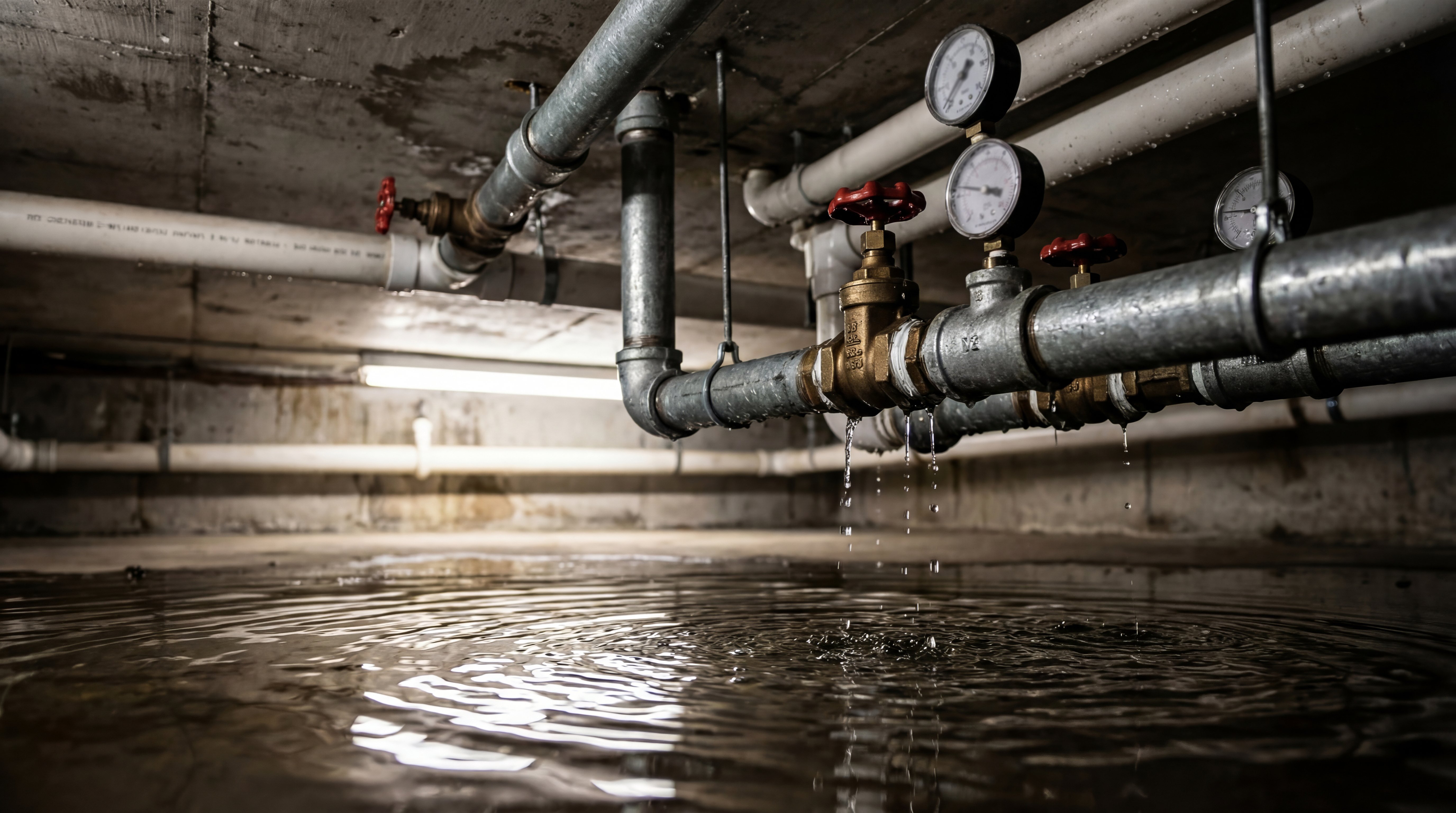
Water damage is the claim most homeowners assume their policy will simply cover. It usually does, until the adjuster draws a line between something that happened to your home and something that happened because of it. That line is where a surprising number of claims get denied, and most homeowners don't find out where it sits until they're standing in a wet basement.
Water damage is one of the most common, and most contested, categories of homeowners insurance claims. Understanding why claims get denied is the best way to make sure yours doesn't.
The Numbers Behind the Claim
~24%
Share of all homeowners property claims involving water damage or freezing, roughly 1 in 60 insured homes files one every year
Insurance Information Institute data, via ConsumerAffairs
$12,514
Average water damage claim payout, with major structural losses often exceeding $15,000
Industry claims data, 2017–2021
Those numbers explain why insurers scrutinize water claims closely, and why the reasons behind a denial matter more here than with almost any other type of claim.
Why Water Damage Claims Get Denied
- Sudden vs. gradual damage. Policies generally cover sudden, accidental events, like a pipe that bursts, but not damage that develops slowly over weeks or months, like a slow drip behind a wall.
- Maintenance and neglect clauses. Worn plumbing, deteriorated gaskets, or a roof leak that's gone unaddressed through multiple storms is treated as a maintenance issue, not an insurable event. Adjusters use moisture readings and material condition to determine how long water was present.
- Flood damage isn't covered. Water that enters from outside the home, rising groundwater, storm surge, overflowing rivers, even due to a heavy rain, is a flood, and standard homeowners policies exclude it. Flood coverage requires a separate policy, typically through the NFIP or a private flood carrier.
- Sewer and drain backup is a separate coverage. Water or sewage that backs up through a drain or sump pump is normally excluded unless you've added a water backup endorsement.
- Mold has its own sublimit. Even when the underlying water damage is covered, resulting mold remediation is usually capped at a much lower dollar amount, or excluded outright.
How to Avoid a Denied Claim
- Stay ahead of maintenance, and document it. Inspect supply lines, water heaters, and appliance connections annually, and keep receipts or photos. Documentation is what separates "sudden event" from "known condition" in an adjuster's eyes.
- Act fast when you spot a leak. Most policies require you to take reasonable steps to prevent further damage once you're aware of a problem. Waiting can shift a covered loss into a maintenance dispute. You can also help yourself catch a leak early by placing a water leak detector where you'd expect to notice it first, such as under the fridge, near the washer, by the water heater, or under bathroom sinks, especially ones you rarely use.
- Ask about a water backup or service line endorsement. These are relatively inexpensive add-ons that close two of the most common coverage gaps in a standard policy.
- Consider a standalone flood policy. If your home has any flood exposure, even outside a mapped flood zone, a separate flood policy is the only way that risk gets covered. Approximately 25% of flood claims happen to homes not located near a body of water.
Questions to Ask Your Agent Before Renewal
- Does my policy include a water backup or sump overflow endorsement, and what's the coverage limit?
- What's my mold remediation sublimit, and is it enough to cover a real remediation job?
- Is any part of my property in a flood-prone area, and would a separate flood policy make sense?
-
Have you asked your DSP agent to review your home's water-related exposures so your coverage matches your actual risk?
Frequently Asked Questions
Does homeowners insurance cover water damage?
Often, yes, but only when the damage is sudden and accidental, like a burst pipe or an overflowing appliance. Gradual leaks, poor maintenance, flooding, and sewer backup typically require separate coverage or aren't covered at all.
What's the difference between water damage and flood damage for insurance purposes?
Water damage originates inside the home from a plumbing or appliance failure. Flood damage comes from outside, rising water, storm surge, overflowing waterways, and is excluded from standard homeowners policies.
Why would an insurer deny a water damage claim?
The most common reasons are evidence of gradual leakage, lack of routine maintenance, damage classified as a flood, or a sewer/drain backup with no endorsement in place.
Does homeowners insurance cover sewer backup?
Not by default. Sewer and drain backup coverage is usually a separate endorsement that needs to be added to your policy.
The bottom line
Insurers cover the event, not the conditions that led up to it. A policy that looks complete on paper can still leave you exposed to the water risks that actually cause claims, gradual leaks, sewer backup, and flooding. A quick review with your agent, before something goes wrong, is what actually closes those gaps.
Have questions about how water damage is covered under your homeowners policy? Visit our home insurance coverage page or contact your DSP agent to review your protection.